Manitou Springs, El Paso County · History
Manitou Springs history: mineral springs and a resort town
Start at the heritage museum, then walk the mineral springs and historic buildings along Manitou Avenue, with Miramont Castle as a second museum.
· Checked November 17, 2026
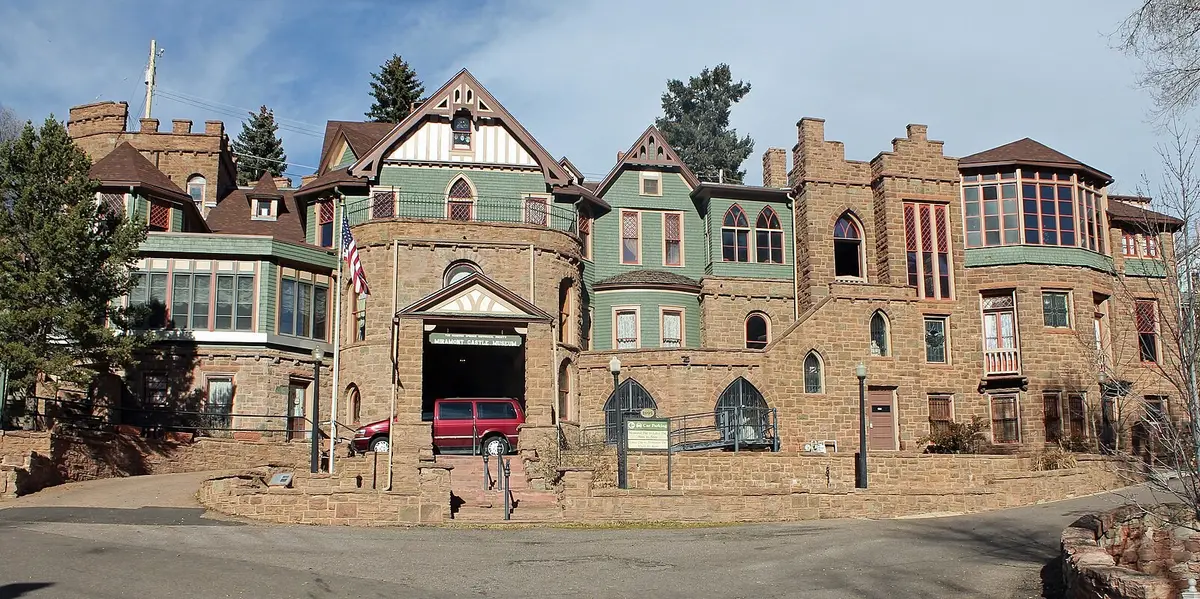
Manitou Springs grew into a resort town around its water: people came for the mineral springs and the mountain setting, and the lodgings and commercial buildings followed. The local museum is the place to start.
Start with local interpretation
The Manitou Springs Heritage Museum at 517 Manitou Avenue collects and presents the town’s history, with exhibitions and talks that explain what is outside. Its calendar lists opening times and public programs; private events on it are not open to drop-in visitors.
Read the springs as places
The mineral springs listing points to the local spring guide and its map of the public sites. Some are small street-side stops; others sit beside a park or a historic building.
The storefronts and architecture on Manitou Avenue reward a short, slow walk. The walking-order guide sets out the route, with public spaces between the indoor visits. Crowds, crossings and parking favor a few chosen stops over trying to see everything.
Choose a second interior if you want more
Miramont Castle is a second museum in a different kind of historic building. Tours, admission and tea are arranged separately, and tea needs an advance reservation. The Cliff House, another historic building, is still a working hotel.
Keep the town and the mountain distinct
The railway and the mountain trails draw visitors through Manitou but need their own reservations and access checks, and a history afternoon needs neither the Incline nor a summit trip. With children, pair the museum or a short spring walk with Soda Springs Park; the family guide has more.
Sources
Checked November 17, 2026. Hours, prices and seasons change; the sources above are the record.