History · Creede
How Creede, a fading silver town, bet on theater
In 1966, with its mines in decline, Creede invited a summer theater. Twelve Kansas students came with $32 in the bank. The theater outlasted the mines.
By Lerner Works · Published
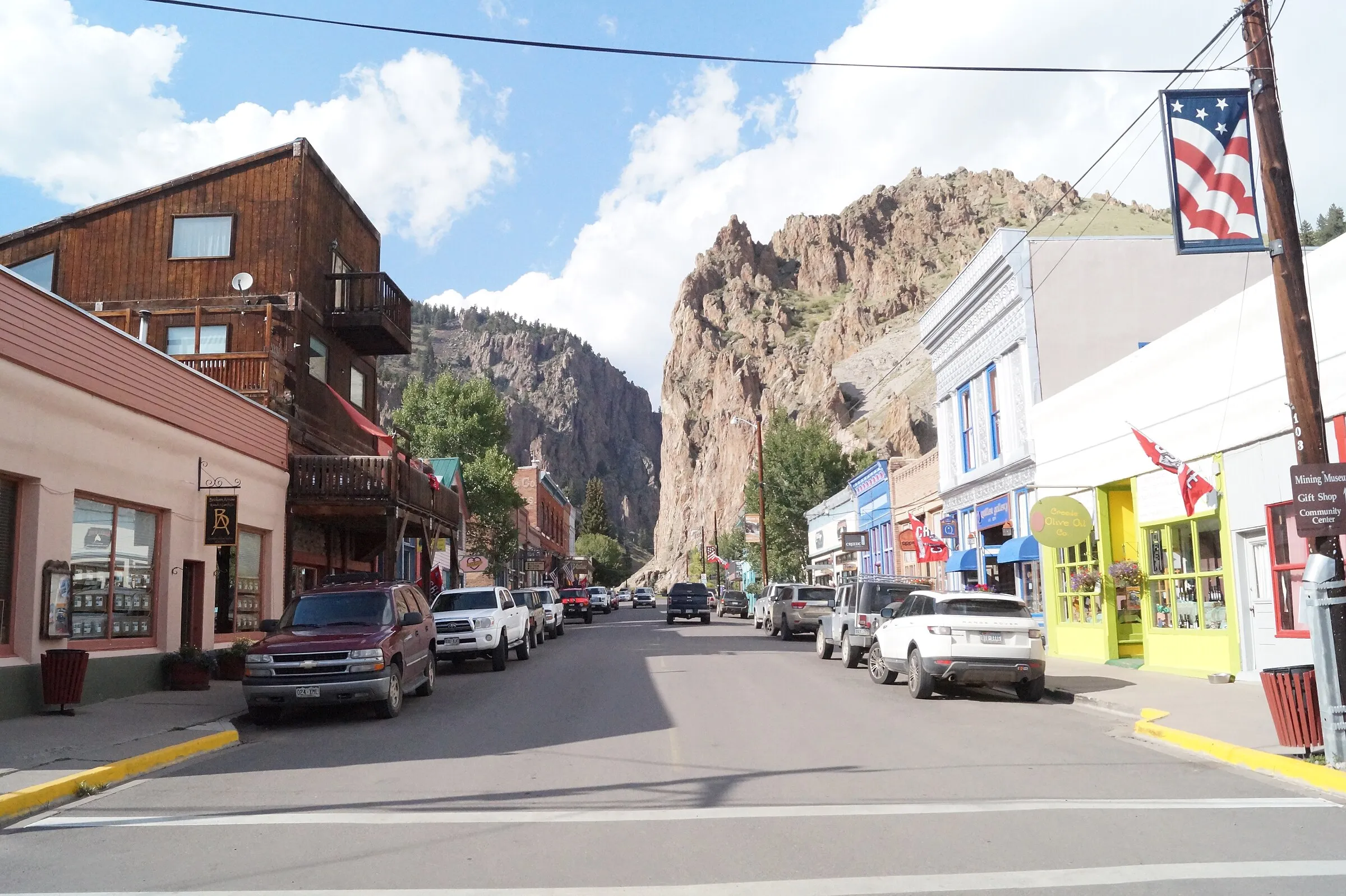
In 1966, people in Creede were looking for a new reason for outsiders to come to town. The silver mines were declining, and the local Junior Chamber of Commerce, the Jaycees, along with pastor Jim Livingston, thought a summer theater might help. They mailed letters to universities asking for performers, according to the theater’s own history.
One letter landed on a bulletin board at the University of Kansas. Steve Grossman, a 19-year-old theater student, took it down and answered it. That summer he and eleven other students drove from Kansas to Creede, and they opened their first season with $32 in the bank.
It was a modest start for something that outlasted the mines. Creede Repertory Theatre’s 2026 season was its 61st, and after the last mine closed it became the largest employer in Mineral County.
A silver town that never quite emptied
Creede grew fast, and on one thing. Nicholas Creede found a rich silver vein on Willow Creek in 1890, the camp swelled to about 10,000 people, and two trains a day ran in and out, the Creede & Mineral County Chamber of Commerce writes.
The silver panic of 1893 ended the boom but not the town. The district’s ore held other valuable minerals, and hard-rock mining stayed Creede’s main living for nearly a century. By the 1960s the mines were in decline again, and Creede needed another source of income.
Twelve students and a closed movie house
The Jaycees had a stage in mind: a 1930s movie house that had later become the Creede Opera House, where its owner, Carl Helfin, put on melodramas. It had been shut for a few years.
The students handled everything from acting and scenery to costumes, lighting and ticket sales. Tickets were $1. The first show, Mister Roberts, drew a standing ovation. Over the next four weeks they added The Bat, Our Town, The Rainmaker and Born Yesterday, playing them in rotation so a visitor could see a different play on different nights.
Most of that first audience were townspeople, many of them Jaycees anxious about how it would go. Steve Reed, one of the twelve, told the Alamosa Citizen that “we were all just on pins and needles that night.”
The town warmed to the students slowly. The Denver Gazette’s John Moore wrote in 2023 that residents welcomed them grudgingly at first, and he passed along how the late sheriff Phil Leggitt told it: “We threw out a line, and those thee-a-ter kids took the bait.”
The company came back in 1967, and the summer after that. Reed, later the executive editor of a book on the company’s history, concluded that it never had a single founding hero. A 2015 column by Creede Rep’s Jessica Jackson describes its history instead as hundreds of people stepping up, year after year.
When the last mine closed
Mining hung on for two more decades. Homestake Mining’s Bulldog Mountain Mine, producing since 1969, shut down in January 1985 because silver prices had fallen too low to mine it profitably, according to the Colorado School of Mines Museum of Earth Science. The Gazette reported in 2008 that the closing put Creede’s last 90 miners out of work.
The theater was already there. The Gazette reported that Creede Rep became the town’s biggest summer employer that same year. The theater now calls itself the largest employer in Mineral County, and cites a 2023 economic impact study that put its yearly effect at about $3.75 million locally and $5 million for Colorado.
What is still hard
The theater did not make Creede big. The Chamber puts Mineral County’s full-time population at about 850. In 2023 the Denver Gazette reported that the town had 417 year-round residents and all-volunteer fire and ambulance crews, that the theater’s attendance of about 18,000 was down roughly 18 percent from 2014, and that only 11 percent of its audience came from Mineral County. The company told the paper it wanted more of its audience to come from Denver and the Front Range.
The old movie house today
The Mainstage on Main Street is the 1930s movie house the Jaycees chose for their experiment in 1966, now a 230-seat theater.
Visit these places
- Creede Repertory Theatre, on Main Street: plays run in summer. Season and tickets.
- Underground Mining Museum, at the north end of town: blasted out of the canyon wall by Creede miners starting in 1990. Hours and tours.
- Bachelor Loop: a 17-mile self-guided drive through the old mining district, open in summer until the snow comes. Forest Service page.
More on the town: Creede.
Creede Rep's own history dates the last mine closure to 1984. The Colorado School of Mines Museum of Earth Science and the Gazette give January 1985 and 1985, which this article uses.